CN

×

keywords:

xxxx1 xxx2 xxx3 xx4 copy
Shenzhen Meiyad Optoelectronics Co., Ltd. Shenzhen Meiyad Optoelectronics Co., Ltd.

News

In-depth Analysis of Special-Shaped LED Display Screens

19
11
2024

Table of Contents

\n

Why Are Special-Shaped LED Displays So Popular?

\n

\n

\n

In this era of information overload, visual communication has become more important than ever. Whether in advertising, stage performances, conferences, or various public events, displays play a crucial role. However, traditional rectangular LED displays can no longer meet the diverse needs or provide the engaging visual experiences required by emerging markets. Against this backdrop, special-shaped LED displays have emerged and quickly carved out their niche in the market. But why are special-shaped LED displays so popular? What market needs do they fulfill?

\n

\n

\n

1. Driven by Innovative Technology

\n

\n

\n

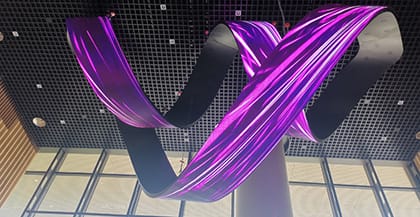
LED display technology has developed rapidly in recent years. From traditional monochrome screens to full-color displays, and from simple flat panels to today's special-shaped designs, technological innovation has been the driving force. The popularity of special-shaped LED displays is largely due to their ability to be customized into various shapes and sizes based on specific needs, breaking the boundaries of traditional screens. For example, they can be made into round, curved, wavy, or even spherical shapes. These innovative designs open up endless possibilities for applications in various scenarios.

\n

\n

\n

2. Strong Visual Impact

\n

\n

\n

Special-shaped LED displays have a strong visual impact, which is one of the main reasons they have quickly captured the market. Due to their unique design, they immediately attract the attention of the audience, creating richer visual effects compared to flat screens. This visual impact is particularly noticeable in commercial advertising and stage performances. For example, a surround immersive LED display can create a more immersive and dramatic visual experience for stage performances, making the audience more engaged in the event.

\n

\n

\n

\n

\n

\n

3. Enhancing Brand Image

\n

\n

\n

For businesses and brands, special-shaped LED displays are not only a tool for showcasing content but also a means of building brand identity. Through unique and customized designs, companies can effectively convey their brand values and culture, leaving a lasting impression on their audience. This is especially true for high-end brands that require distinctive marketing strategies. Special-shaped LED displays offer a unique way to showcase products, thereby enhancing the brand's image as professional and innovative.

\n

\n

\n

\n

\n

\n

4. Versatility and Flexibility

\n

\n

\n

Special-shaped LED displays are not only breakthroughs in appearance but also highly flexible and adaptable in function. They can be used in commercial advertising, digital exhibition halls, cultural events, sports venues, and more. This versatility allows them to be tailored to meet the specific needs of different users. For example, in large commercial complexes, special-shaped LED displays can add dynamism and fun to the space, attracting more foot traffic.

\n

\n

\n

5. Strong Adaptability

\n

\n

\n

Special-shaped LED displays have high adaptability and can be designed to fit various spaces and environments, overcoming the limitations of traditional LED displays in terms of installation and usage in complex settings. For example, in environments like building facades, columns, or indoor and outdoor shopping malls, special-shaped LED displays can better integrate with the overall design, enhancing the aesthetic appeal and visual effects. This adaptability makes them more flexible in terms of project design and implementation.

\n

\n

\n

6. Advances in Materials and Manufacturing Processes

\n

\n

\n

With continuous advancements in material technologies and manufacturing processes, special-shaped LED displays have seen significant improvements. Not only are the display effects clearer and brighter, but their durability and reliability have also greatly improved. Advanced materials and manufacturing processes ensure that these displays can operate stably under various environmental conditions, overcoming the performance limitations of traditional displays in harsh settings. These improvements have effectively extended the lifespan of the displays and reduced maintenance costs.

\n

\n

\n

7. Interactivity and User Engagement

\n

\n

\n

Modern consumers increasingly prioritize interactive experiences, and special-shaped LED displays meet this demand. By integrating interactive technologies such as touch sensing and gesture recognition, the audience can interact with the display, which enhances user engagement and experience. This interactivity is especially appealing in public spaces such as shopping malls and exhibition halls, where people are more likely to actively engage with the content, thus increasing audience satisfaction and attention.

\n

\n

\n

\n

\n

\n

8. Growing Market Demand

\n

\n

\n

As technology continues to improve and consumer demands become more diverse, the market demand for special-shaped LED displays is growing. They are not only being used in traditional fields like commercial advertising and stage performances but also in emerging areas like smart cities and interactive displays, showing broad market prospects. For example, in the development of smart cities, special-shaped LED displays can be used for urban information dissemination, navigation guidance, and more, becoming an integral part of the city's infrastructure.

\n

\n

\n

In conclusion, the popularity of special-shaped LED displays is not coincidental. It is the result of a combination of factors, including technological innovation, strong visual impact, brand image enhancement, versatility, adaptability, advances in material and manufacturing technologies, interactivity, and growing market demand. Looking ahead, as technology continues to evolve and application scenarios expand, special-shaped LED displays will play an increasingly important role in various industries.

\n

\n

\n

What Is the Difference Between Special-Shaped LED Screens and Ordinary LED Screens?

\n

\n

\n

In today's display field, LED screens are increasingly being used, and LED special-shaped screens have gradually become the new favorite in many scenarios due to their unique shapes and strong visual impact. So, what is the difference between special-shaped LED display screens and ordinary LED screens?

\n

\n

\n

1. Appearance

\n

\n

\n

Ordinary LED screens are usually rectangular or square, which are quite regular and meet traditional display requirements. Special-shaped LED screens, on the other hand, break through these traditional shape restrictions. They can be made into various irregular shapes, such as circles, triangles, polygons, arcs, and even three-dimensional shapes, based on specific scene and design requirements.

\n

\n

\n

\n

\n

\n

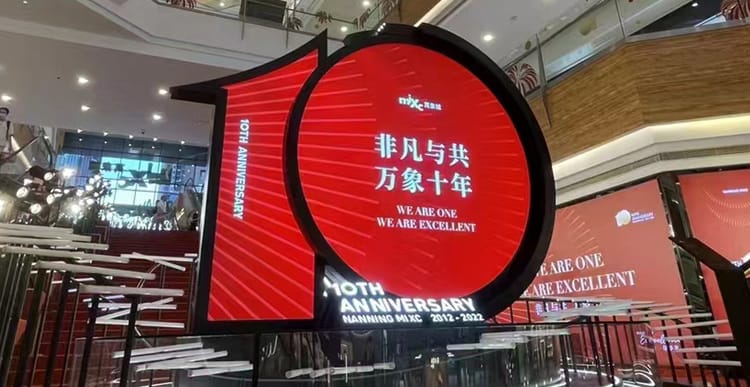
For example, in art exhibition venues, special-shaped LED screens can be designed in unique artistic forms, perfectly integrating with the exhibition content and providing a fresh visual experience for the audience. In shopping mall atriums, flexible LED screens can better fit the building structure and enhance the beauty and modernity of the space.

\n

\n

\n

\n

\n

\n

\n

\n

2. Installation Method

\n

\n

\n

The installation method of ordinary LED screens is relatively simple, typically involving wall mounting, hoisting, or floor brackets. However, due to the special shapes of special-shaped LED screens, the installation method often needs to be customized based on the screen's specific form and the environment in which it will be installed.

\n

\n

\n

For example, some curved LED screens may require special installation structures and fixation methods to ensure the screen's stability and safety. Additionally, during the installation process, considerations such as heat dissipation and maintenance must be taken into account, which adds complexity and difficulty to the installation of special-shaped LED screens.

\n

\n

\n

3. Display Effect

\n

\n

\n

When it comes to display effects, there are notable differences between ordinary LED screens and special-shaped LED screens. The pixel distribution on ordinary LED screens is relatively uniform, creating a regular display. However, due to the irregular shapes of special-shaped LED displays, the pixel distribution may be uneven. Special processing is required during the design and production phases to ensure the quality and effectiveness of the display.

\n

\n

\n

Moreover, special-shaped LED screens can achieve more three-dimensional and realistic visual effects through special design techniques and technologies. For example, by applying 3D technology and dynamic special effects, they can provide a more impactful visual experience for the audience.

\n

\n

\n

\n

\n

\n

4. Application Scenarios

\n

\n

\n

Ordinary LED screens are primarily used in traditional display settings, such as conference rooms, shopping malls, stations, and airports. Special-shaped LED screens, by contrast, are more commonly used in creative and personalized environments, such as theme parks, science museums, art exhibitions, and high-end commercial spaces.

\n

\n

\n

For example, in theme parks, special-shaped LED screens can be molded into various imaginative shapes and combined with amusement facilities, offering tourists a more immersive experience. In science museums, special-shaped LED screens can display scientific phenomena and data, providing a more intuitive understanding of scientific concepts.

\n

\n

\n

\n

\n

\n

5. Production Cost

\n

\n

\n

Due to the relatively complex production process and installation challenges associated with special-shaped LED screens, their production cost tends to be higher than that of ordinary LED screens. Additionally, special-shaped LED screens are highly customizable and must be designed and manufactured according to specific requirements, which further increases their cost.

\n

\n

\n

However, with the continuous advancement of technology and the expanding market, the cost of special-shaped LED screens is gradually decreasing. In the future, special-shaped LED screens are expected to become more widely used and could become a new trend in the display industry.

\n

\n

\n

In summary, there are several key differences between special-shaped LED screens and ordinary LED screens, including appearance, installation methods, display effects, application scenarios, and production costs. When choosing the right screen, it’s essential to consider your specific needs and context to achieve the best display effect and maximize the screen's value.

\n

\n

\n

How to Find a Suitable Creative LED Screen Manufacturer?

\n

\n

\n

In this era of information explosion, the importance of visual communication has become increasingly prominent. Creative LED screens have been warmly welcomed across various industries due to their vivid colors, clear images, and strong versatility. However, with numerous manufacturers in the market, selecting the right creative LED screen manufacturer has become a challenging task for many buyers. Meiyad will introduce several key factors to consider when choosing a creative LED screen manufacturer to help you make a wise and informed decision.

\n

\n

\n

\n

\n

\n

1. Assess the Professionalism of the Manufacturer

\n

\n

\n

When selecting a creative LED screen manufacturer, the first factor to consider is professionalism. Professional manufacturers typically have rich industry experience and can provide strong support in areas such as technology research and development, material production, and product design. To evaluate a manufacturer’s recognition and credibility within the industry, check their official website, product lineup, and case studies. It is advisable to choose manufacturers with relevant certifications and awards, as these can reflect their level of professionalism and industry standing.

\n

\n

\n

2. Inspect Product Quality

\n

\n

\n

Product quality is one of the most critical factors when choosing an creative LED screen manufacturer. Before making a purchase, make sure to personally inspect the actual performance of their products, such as brightness, color accuracy, image clarity, viewing angles, and more. High-quality creative LED screens should not only perform well in daylight but also be vibrant and visually impactful at night. Additionally, it is important to verify the source of the manufacturer’s materials. Choose manufacturers who use high-quality raw materials to ensure the durability and long-term stability of the product.

\n

\n

\n

3. After-Sales Service Guarantee

\n

\n

\n

While using creative LED screens, it is inevitable that some technical issues may arise. Therefore, choosing a manufacturer that provides excellent after-sales service is crucial. A reliable manufacturer should offer comprehensive after-sales support, including but not limited to technical assistance, product repairs, and warranty policies. When reviewing the manufacturer's after-sales service policies, it is recommended to obtain written agreements, not just verbal promises, to ensure you receive effective protection when you need it.

\n

\n

\n

4. Customization Capabilities and Flexibility

\n

\n

\n

With the growing demand for diversification and personalization, customization has become a major trend. Leading creative LED screen manufacturers should have robust customization capabilities and be able to tailor products to meet specific customer needs. From the initial design to final product delivery, the entire process should run smoothly. Flexibility is also essential because the market environment is constantly changing. Manufacturers who can respond quickly and provide adaptable solutions are typically more reliable.

\n

\n

\n

5. Customer Reviews and Reputation

\n

\n

\n

Customer reviews and word-of-mouth reputation are also crucial factors to consider. Online platforms, social media, industry forums, and other channels offer valuable insights from real users about various creative LED screen manufacturers. These reviews can provide a clearer understanding of product performance and service quality. Opting for manufacturers with high customer ratings and good reputations will not only minimize risks but also create a solid foundation for future cooperation.

\n

\n

\n

Choosing the right creative LED screen manufacturer is not a decision to be made hastily; it requires a thorough evaluation of multiple factors. By assessing professionalism, product quality, after-sales service, customization capabilities, and customer reputation, you will be better equipped to find a manufacturer that aligns with your needs. As a leader in the industry, Meiyad has helped various sectors convey information more efficiently and beautifully with its advanced technology, rigorous quality control, thoughtful customer service, and strong market reputation.

\n

\n

\n

How to Successfully Customize a Special-Shaped LED Screen? Detailed Steps and Precautions

\n

\n

\n

With the rapid development of technology, special-shaped LED screens have become the go-to choice for many companies and individuals, especially in fields such as advertising, art exhibitions, and creative designs. Their unique appearance and versatile functions make them incredibly popular. However, customizing special-shaped LED screens involves many factors, not only technical implementation but also aspects like design aesthetics, budgeting, and post-maintenance. Meiyad will explain in detail how to successfully customize special-shaped LED screens, along with important precautions to help you avoid misunderstandings during the process. This guide will help you find the most suitable solution, whether you’re a company new to this field or a designer aiming to enhance your brand image. Mastering these steps and considerations will ensure a smoother project execution. Through examples and shared experiences, you will gain a better understanding of the customization process and ensure that the final product meets both practical needs and visual expectations.

\n

\n

\n

1. Clarify Your Needs and Goals

\n

\n

\n

Before starting the customization process, the first step is to clearly define your needs and goals. What effect do you want to achieve? Is it a simple visual display or a more interactive experience? Clear objectives will guide your decisions regarding design and technical requirements. Some important questions to consider include: Who is the target audience? What message do you want to convey? These factors will directly affect the size, shape, resolution, and other technical specifications of the screen. By conducting thorough market research and needs analysis, you can develop a more practical customization plan, making the later stages of the process smoother and more efficient.

\n

\n

\n

2. Choose the Right Supplier

\n

\n

\n

Once your needs are defined, the next step is to find a suitable supplier for your special-shaped LED screen. Choosing the right supplier is crucial, as it directly affects the quality and timeline of your project. It’s recommended to evaluate potential suppliers based on the following factors:

\n

\n

\n

Technical Capabilities:

Check their expertise and previous experience with special-shaped screens. Review their past cases to assess their ability to deliver the specific design you require.

After-Sales Service and Support:

Ensure the supplier offers reliable after-sales service and technical support to address any issues that may arise during product use.

Reputation and Strength:

Opt for a supplier with strong capabilities to ensure the overall quality of your project. Avoid choosing solely based on price, as this could compromise the quality of the final product.

\n

\n

\n

\n

\n

\n

3. Communication and Feedback During the Design Stage

\n

\n

\n

The design stage is critical in the customization process. It's essential to maintain clear and constant communication with the design team. Be sure to express your ideas, brand style, and other requirements in detail so they can be fully incorporated into the design. Regular feedback is also important during this phase, as it allows you to spot potential issues early and make necessary adjustments. This continuous communication helps ensure that the design is both creative and aligned with your needs, minimizing the need for costly and time-consuming revisions later.

\n

\n

\n

4. Technical Implementation and Testing

\n

\n

\n

Once the design solution is finalized, the project moves to the technical implementation stage. This phase involves selecting hardware, developing software, and actually producing the screen. When selecting hardware, factors such as display quality, durability, and energy efficiency must be considered. For software development, ensure compatibility with your intended use and focus on optimizing the user experience.

\n

\n

\n

In addition, rigorous testing of the final product is essential. Regular checks during production will help ensure that the screen’s display quality meets your expectations and that all functions are operating smoothly. This testing process will help prevent issues during the later stages of use.

\n

\n

\n

5. Post-Maintenance and Updates

\n

\n

\n

Customizing a special-shaped LED screen is not a one-time event; post-maintenance and updates are equally important. Regular inspection and maintenance are necessary to ensure the screen remains in good working order and continues to provide excellent display quality. Additionally, as technology advances and market demands change, updating the content and features of your screen is essential to keep it relevant and engaging. This will not only maintain its appeal but also enhance the audience’s sense of participation and extend the lifespan of the LED screen.

\n

\n

\n

Maintaining good communication with your supplier and obtaining professional maintenance support will ensure that your special-shaped LED screen continues to deliver value long after installation.

\n

\n

\n

By following the steps outlined above, you will have a clearer understanding of how to successfully customize a special-shaped LED screen. Key steps such as clarifying your needs, choosing the right supplier, fostering strong communication, ensuring technical implementation, and focusing on post-maintenance are all crucial to a successful project. We hope this guide helps you better understand the process and empowers you to create a unique and impactful visual experience that captivates your audience.

\n

\n

You May Also Like

Meiyad Continues to Shine on Day 2 of SEAMEX 2026 in Malaysia

22|05|2026

Meiyad Continues to Shine on Day 2 of SEAMEX 2026 in Malaysia

Today marks the second day of SEAMEX 2026 in Malaysia, and Meiyad continues to attract strong attention from visitors, partners, and industry professionals across Southeast Asia.At Booth A033, Meiyad is showcasing a wide range of innovative LED display solutions, including the high-end SK Rental LED Screen, COB LED displays, SMD LED displays, and GOB LED display technologies. These products demonstrate Meiyad’s professional capabilities in stage rental, commercial display, cultural tourism, and immersive audiovisual applications.Throughout the exhibition, Meiyad’s booth has welcomed many customers and industry partners who showed great interest in the outstanding visual performance, seamless display quality, and creative customization solutions of our LED displays. The event also provides an important platform for Meiyad to strengthen cooperation with Southeast Asian clients and further expand our presence in the regional market.As SEAMEX 2026 enters its final day tomorrow, Meiyad warmly welcomes more visitors to Booth A033 to explore our latest LED display technologies and discuss future cooperation opportunities.We sincerely appreciate the support and trust from all customers, partners, and visitors, and we look forward to creating more innovative audiovisual experiences together.Exhibition: SEAMEX 2026Booth: A033Location: Borneo Convention Centre Kuching, Malaysia

LED Display Screen Software Installation and Debugging Tutorial

20|05|2026

LED Display Screen Software Installation and Debugging Tutorial

Software Installation, Login & Screen ConfigurationDownload & InstallationOfficial website download:Visit NovaStar official website(www.novastar-led.cn or https://www.novastar.tech) → Support → Software Download, and download the latest version of NovaLCT (recommended v5.5.0 or above).Installation steps:I. Double-click the installation package.II. Use the default installation path.III. Complete installation.IIII. Disable antivirus software temporarily to avoid accidental blockingDevice ConnectionSynchronous System (Direct Network Cable Connection)Step 1: PC → Sending Card: Connect directly via USB cable; or Connect through the same LAN using network cable. (Default IP range: 192.168.0.xxx / 192.168.1.xxx)Step 2: Sending Card → Receiving Card: Cascade via network cables. Receiving card connects to the LED screen HUB board.Asynchronous System (WiFi Direct Connection)Step 1: Connect PC/mobile phone to the player box WiFi (Default SSID: AP + last 8 digits of SN, Password can be found on the device label); or connect through the same LAN.Step 2: Connect the player box to the HUB board (receiving card) and power on.Software LoginStep 1: Open NovaLCT,Click Login→Advanced Synchronous Login,Default password:666 or admin.Step 2: Successful connection message: "Control System 1, No Display Screen"; If connection fails, check wiring and check power supply.Smart ConfigurationStep 1: After login, enter Screen Configuration → Smart Settings.Step 2: Select Chip model, Decoding method, Module size (e.g. 172x86), click Next stepStep 3: Follow the screen instructions: Bright line direction→Color matching→Pixel-by-pixel calibration, generate configuration file (.scfg).Step 4: Click Send to apply parameters to the receiving card.Manual ConfigurationStep 1: Receiving Card Parameters: Enter Receiving Card → Port Configuration → Set width, height, number of data groups, and scan mode (e.g. 1/32 scan).Step 2: Sending Card Resolution: Enter Sending Card → Output Resolution → Enter actual screen resolution (e.g. 1920×1080) → Enable scaling → Click Send.Step 3: Load Configuration File: Supports local (.scfg/.zip) or cloud configuration files. Allows quick parameter reuse. [__LINK_ICON].Program Creation & Publishing (Asynchronous System)Pingjl Installation & OperationStep 1: Download Pingjl from the official website. Double-click the installation file and follow the Pingjl. After first launch, select "Asynchronous Playback" mode. Click "Start Now".Step 2: Open Pingjl and add devices: (Search LAN/WiFi devices, Default password: admin).Step 3: Create a new program: Program Management → New Program. Set resolution matching the screen.Step 4: Add media: Support Add media, Videos (MP4/AVI), Text, Clock, Weather forecast.Step 5: Edit attributes: Playback duration, Transition effects, Loop mode, Multi-layer overlay supported.Program PublishingStep 1: Select the program→Click Publish→Select target terminal→Confirm sending.Step 2: After successful publishing, the player box automatically loads and plays the program. If publishing fails, check network connection→Check device storage.Device Management, Maintenance & Firmware UpgradeFirmware UpgradeEnter Program Upgrade→Connect to the Internet, Select cloud upgrade, Choose corresponding sending card / receiving card firmware, Wait for completion, Do not power off during upgrade.Offline Upgrade:Import local firmware package (.bin), batch upgrade devices:Step 1: Login through "Login → Advanced Synchronous Login",enter password admin or 666. (For asynchronous products (JT/TB series), select Media Player Login)Step 2: Type "admin"or "666888" on the main interface.Step 3: Select communication port. If you need to reconnect the sending card, click "Reconnect".Step 4: Select the range to view, click "Refresh" to view the current software version of the hardware.Refresh All: View all sending/receiving card versions.Specified Refresh: View the software versions of the specified sending and receiving cards.PS: Simply click "Refresh All" on the screen to view the receriving card model and firmware version.Identifying Driver & Decoder Chips:Please refer to the information on the back of the module or on the packaging (you may also contact the relevant project manager for confirmation)Check IC markings on the back of the moduleObtain information according to the correct configuration file provided by the manufacturer:Step 1: In the "Screen Configuration" dialog box on the main LCT interface, select the "Receiving Card" tab.Step 2: Load the correct configuration file provided by the screen manufacturer from the local computer:a. Click "Load from Local";b. Select the configuration file and click "Open";c. After the file is successfully loaded, click "OK".Step 3: Click "View Cabinet" to check the information in the pop-up dialog box.Obtain the Corresponding Correct Firmware Program:You can directly access the public resources through the following links:Novastar Database http://gts.novastar.tech:6150/sharing/oLGDYny5ENovastar Overseas Database http://gts.novastar.tech:6150/sharing/CZRitU08hStep 1: Directly access the Nova database mentioned above.Step 2: From the homepage, follow the path:"Firmware Program > Receiving Card”to enter the receiving card model classification page.Step 3: According to the Nova receiving card model confirmed above, enter the corresponding receiving card page. The following examples use DH-LCE7516 / FS-LCE7516 / MRV416.Step 4: According to the confirmed driver IC and decoder IC used on the module, search for the corresponding firmware in the order of 1, 2, 3, and 5.(Option 4 is firmware for the 99-series chips, and 99-series chips can be searched directly.)OverviewUsing the example above, each folder contains the corresponding firmware and descriptions of the supported chips. You can check the descriptions to identify the driver IC and decoder IC used on your module, and then determine which firmware should be used.Based on the confirmed Nova receiving card model and the driver/decoder ICs used on the LED module, you can find the correct corresponding firmware.Screen MonitoringMonitoring → Device Status:Check temperature, voltage, network cable connection, signal source, and abnormal alarm notifications.Preset Screen: Tools → Preset Screen SettingsSet the display image when the signal is lost or disconnected (such as black screen or fixed logo).TroubleshootingUnable to connect to the deviceCheck USB/network cable, power supply, and IP segment; disable the firewall.Screen garbled/flickeringVerify receiving card parameters, network cable quality, and HUB board (receiving card) wiring; resend the configuration.Program playback abnormalCheck media format and resolution compatibility; restart the player box or republish the program.

Send Your Inquiry Today

Factory Direct LED Screen - Fast Quote, Best Price!

Please enter your company name
Please accept the data protection information

I have read and understood the  data protection   information.