Free Sample

Apply Now

CN

×

keywords:

xxxx1 xxx2 xxx3 xx4 copy
Shenzhen Meiyad Optoelectronics Co., Ltd. Shenzhen Meiyad Optoelectronics Co., Ltd.

Meiyad Attended the 16th China-ASEAN Expo

Meiyad Attended the 16th China-ASEAN Expo

29
09
2019

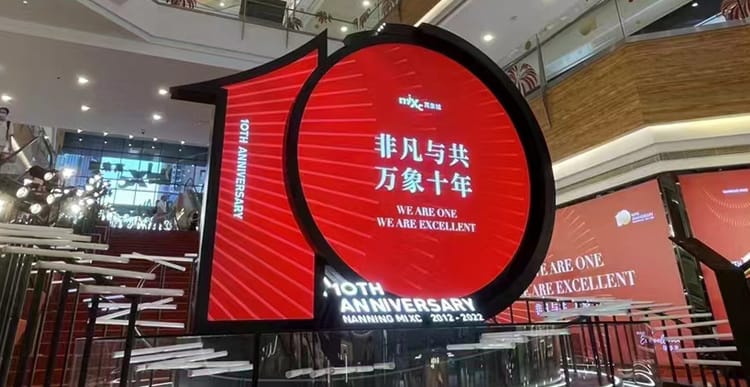
From September 21st to 24th, the 16th China-ASEAN Expo was held in Nanning, Guangxi.


The 16th China-ASEAN Expo has a total exhibition area of 134,000 square meters, with a total exhibition capacity of 7,000 and 2,848 exhibiting companies, attracting 131 companies from Southeast Asian countries to participate in the international exhibition area.


Meiyad Attended the 16th China-ASEAN Expo


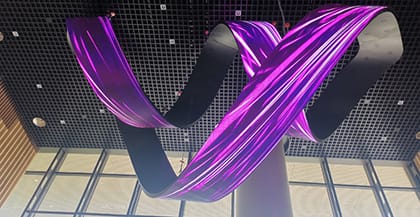
Meiyad's unique innovative concept is recognized by customers. The flexible led screen, interactive large led screen and trumpet led screen are very popular in the market.


Meiyad transparent LED screen


Meiyad transparent LED screen


Shenzhen Meiyad Optoelectronics Co, Ltd. was founded in 2011. It is a national high-tech enterprise which focuses on R&D, manufacturing, retail and serving of led display, led screen and led video wall. We have our own operation center and manufacturing base in Shenzhen.


Meiyad Interactive Large LED Screen


Meiyad Interactive Large LED Screen


Meiyad's led products are widely used in indoor and outdoor commercial media, sports venues, stage performances, special-shape creativity, etc. We also provide led display integrated solutions.


You May Also Like

SMD vs. GOB vs. COB vs. MIP LED Displays: Key Differences

28|10|2026

SMD vs. GOB vs. COB vs. MIP LED Displays: Key Differences and How to Choose

Choosing the right LED display technology is essential for achieving the right balance of image quality, durability, maintenance, and cost. SMD, GOB, COB, and MIP are four terms frequently discussed in the LED display industry, but they do not all describe the same type of technology.SMD is a widely adopted LED packaging technology for conventional indoor and outdoor displays. GOB is a surface-protection process applied to an SMD-based LED module, adding a transparent protective layer over the mounted LED components. COB integrates bare LED chips directly onto a substrate, while MIP packages micro LED chips into individual components before they are mounted onto a display module.Each approach has its own characteristics, advantages, and limitations. Understanding these differences can help buyers, system integrators, and project designers choose a suitable solution for their applications.In this guide, we compare SMD, GOB, COB, and MIP LED displays, explore their image quality and maintenance characteristics, and explain how to select the right technology for your project, including flexible LED display applications.1. Understanding SMD, GOB, COB, and MIP LED TechnologiesBefore comparing these technologies, it is important to understand one fundamental distinction: SMD, COB, and MIP describe different LED packaging or integration approaches, while GOB is a surface-protection process applied to an assembled LED module, typically one built with SMD components.What Is SMD LED Technology?SMD stands for Surface-Mount Device. In an SMD LED display, LED chips are packaged into individual LED components, which are then mounted onto a printed circuit board (PCB) using surface-mount technology.SMD is one of the most widely used technologies in the LED display industry. Its mature manufacturing processes, established supply chain, and broad range of available products make it suitable for many indoor and outdoor applications.Advantages of SMD LED displays:Mature manufacturing: Established production processes and broad component availability make SMD a practical option for many projects.Cost-effectiveness: SMD is often an economical choice for conventional LED displays.Convenient maintenance: Depending on the module design, individual LED components can often be replaced without changing the entire module.Wide application range: SMD products are available across various pixel pitches, brightness levels, and cabinet designs.However, individual LED packages are exposed on the module surface unless additional protection is applied. This can make them more vulnerable to impact, static electricity, and environmental exposure than some protected designs.Typical applications: Outdoor advertising screens, rental LED displays, conventional indoor screens, and projects where cost-effectiveness and established maintenance procedures are priorities.What Is GOB LED Technology?GOB stands for Glue on Board. GOB is not an independent LED packaging technology. It is a surface protection process applied to SMD-based LED modules.In a GOB module, SMD LED packages are first mounted and soldered onto the PCB substrate. A layer of transparent optical protective resin is then poured and cured over the entire module surface, fully covering the LED packages. This overlay shields the mounted LEDs from direct physical contact, dust and splashes.The underlying pixel structure remains SMD. GOB adds surface protection, rather than replacing SMD packages with a different LED packaging format.Advantages of GOB LED displays:Enhanced surface protection: The resin layer protects LED packages against knocks, dust, splashes and static discharge.Resistance to physical damage: The cured coating reduces failure risks from accidental touching and minor impacts.Softer pixel appearance: Depending on coating material and surface finish, the pixel grid looks smoother and less pronounced than exposed bare SMD packages.GOB also comes with notable limitations. The optical performance of the resin directly affects surface reflection and contrast; low-grade coatings may introduce unwanted glare. Repairing individual LED packages becomes far more difficult, as the cured resin must be carefully removed, and re-coating after repair is complicated and hard to restore to the original finish.The final ingress protection rating depends entirely on the full module design and formal testing. For example, an IP65 rating should only be claimed when the specific module has completed relevant certified testing.Typical applications: Rental LED screens, interactive LED walls, and installations where robust front-surface protection is required.What Is COB LED Technology?COB stands for Chip on Board. In a COB LED display, bare LED chips are mounted directly onto a PCB substrate and then fully encapsulated within the module.Unlike conventional SMD packaging, COB does not require each LED chip to be packaged into an individual discrete component before mounting. This enables the display to feature a seamless, integrated surface structure.COB is widely used for fine-pitch and ultra-fine-pitch indoor LED screens, where close viewing distances, high-quality image presentation and surface protection are critical considerations.Advantages of COB LED displays:Seamless viewing surface: The unified encapsulation creates a continuous, smooth surface.Fine-pitch capability: COB is a mainstream technology for fine-pitch and ultra-fine-pitch display products.Built-in surface protection: The encapsulation layer protects LED chips from scratches, dust and minor impacts, subject to encapsulation material and module design.Suitable for close viewing: COB performs well in environments where viewers stand or sit near the screen.COB also poses manufacturing and maintenance challenges. Chip bonding, electrical connections, encapsulation and color calibration require rigorous process control. When a chip fails, repair requires specialized equipment and expertise; module replacement is often the practical solution.COB screens vary widely in price and performance. Buyers should assess actual specifications rather than assuming all COB displays deliver the same image quality.Typical applications: Control rooms, broadcast studios, premium conference rooms, and other indoor environments requiring fine-pitch LED screens.What Is MIP LED Technology?MIP commonly stands for Micro LED in Package. In this approach, micro LED chips are packaged into individual components before those components are mounted onto a display PCB.The process generally involves preparing and testing the small LED chips, packaging them into compact components, and then placing the packaged components onto the display module.This approach combines aspects of micro LED technology with a packaged-component structure. Because the components are packaged before module assembly, manufacturers may be able to inspect and sort them at an earlier production stage.Potential advantages of MIP LED displays:Fine-pitch capability: MIP is used in the development of fine-pitch and ultra-fine-pitch LED displays.Individual packaged components: Its component structure can support component-level repair when the product design and service process allow it.Manufacturing flexibility: Pre-packaging can create opportunities for component inspection, sorting, and quality control before module assembly.High-end display potential: MIP is a technology worth evaluating for demanding applications requiring high resolution and detailed image reproduction.However, MIP is not automatically superior to COB. Its practical benefits depend on the specific package design, manufacturing process, pixel pitch, production maturity, and service arrangements.MIP products may also carry higher initial costs, and component availability or repair support can vary by supplier.Typical applications: Fine-pitch and ultra-fine-pitch displays, premium control rooms, high-end exhibition spaces, and broadcast environments, depending on the product's specifications.2. SMD vs. GOB vs. COB vs. MIP: Key DifferencesThe following table summarizes the general characteristics of the four technologies.Comparison factorSMDGOBCOBMIPBasic structureIndividually packaged LEDs mounted on a PCBCommonly SMD-based module with an added surface-protection layerBare LED chips mounted directly onto a substrate and encapsulatedMicro LED chips packaged into individual components before module assemblyTypical pixel-pitch rangeBroad range, including conventional and fine-pitch productsDepends on the underlying moduleCommonly used for fine-pitch productsCommonly associated with fine-pitch and ultra-fine-pitch productsSurface protectionDepends on module designAdditional surface protectionIntegrated encapsulationDepends on package and module designVisual characteristicsDepends on pitch, components, and calibrationDepends on the underlying SMD design and coatingIntegrated surface can provide a smooth appearanceFine-pitch potential with performance dependent on package and module designMaintenanceIndividual component replacement may be possibleCoating can complicate individual repairsSpecialized repair or module replacement may be requiredIndividual component repair may be possible, depending on designCost considerationsOften the most economical starting pointTypically adds cost to the underlying SMD moduleOften higher than conventional SMD solutionsMay carry a premium for advanced fine-pitch applicationsCommon considerationsExposed LED packages and environmental protectionCoating quality, optical effects, and repair proceduresManufacturing precision and repair complexityComponent supply, production maturity, and repair supportThe pixel-pitch ranges and cost relationships shown here are general market tendencies, not universal limits. Actual availability and pricing depend on the manufacturer, product generation, and configuration.One important distinction is that GOB is a protection process rather than a completely separate LED packaging architecture. An SMD-based module can also use GOB protection.Therefore, buyers should compare the underlying LED construction, surface treatment, and complete product specifications rather than relying on technology labels alone.3. Image Quality: Brightness, Contrast, and Color UniformityImage quality is influenced by more than the packaging technology. Pixel pitch, LED quality, driving electronics, optical materials, calibration, and manufacturing consistency all affect the final display performance.Brightness and Viewing DistanceBrightness requirements depend on the installation environment and the distance between the screen and its audience.Outdoor advertising displays may need higher brightness to remain visible in strong ambient light. Indoor displays in conference rooms, retail spaces, and exhibition environments may prioritize comfortable viewing and accurate image reproduction.SMD, GOB, COB, and MIP products can all be designed for different brightness levels. Buyers should compare the rated brightness of specific products and confirm that the values are appropriate for the intended application.Higher brightness does not automatically mean better performance. The goal is to achieve sufficient visibility without compromising viewing comfort or unnecessarily increasing power consumption.Pixel pitch is another important factor. A smaller pitch provides more pixels within a given display area, which can support more detailed images at closer viewing distances.Contrast and Black-Level PerformanceContrast affects how clearly bright and dark areas appear on the screen. It is especially important for dark video content, fine image details, and high-end visual presentations.COB displays can offer advantages in some fine-pitch applications because of their integrated surface construction. However, actual contrast performance also depends on surface reflectivity, black materials, ambient lighting, and display calibration.GOB coatings may change the optical properties of the module surface. Depending on the coating material and finish, reflection and perceived contrast may differ from those of an uncoated SMD module.MIP performance likewise depends on the LED package, module design, and optical characteristics of the complete display.For demanding projects, request the manufacturer's contrast specifications and evaluate a sample under realistic lighting conditions.Color Consistency and CalibrationColor uniformity is important when multiple LED modules are assembled into a large screen. Variations in brightness or color between modules can create visible inconsistencies.SMD, GOB, COB, and MIP products all require appropriate manufacturing quality control and calibration.With COB, direct chip integration and subsequent encapsulation require careful process control to achieve consistent color and brightness. MIP's pre-packaged components can provide opportunities for testing and sorting before module assembly, although the final result still depends on the manufacturer's process and calibration capability.For a large installation, ask the supplier about calibration procedures, batch consistency, replacement-module matching, and quality-control standards.4. Durability, Maintenance, and Total Cost of OwnershipThe lowest initial purchase price does not always translate into the lowest long-term cost. Maintenance, spare parts, repair time, and downtime can significantly affect the total cost of ownership.Surface Protection and Environmental RequirementsStandard SMD modules have exposed LED packages, so their resistance to impact and environmental exposure depends on the product's design and any additional protection.GOB adds a protective layer over the module surface. This can help reduce damage from contact and certain environmental exposures, but the actual protection level must be confirmed through product specifications and testing.COB uses an encapsulated construction that protects the LED chips. MIP relies on the protection of its individual packages together with the design of the complete module and cabinet.For outdoor applications, do not assume that a technology name guarantees waterproofing or weather resistance. Verify the complete display's ingress protection rating, operating temperature range, structural design, and installation requirements.Repairability and Maintenance ProceduresRepairability is one of the most important differences buyers should evaluate before selecting an LED display.SMD: Individual LED components can often be replaced by trained technicians when the module design supports component-level repair. This can help reduce repair costs.GOB: The protective coating may make individual LED replacement more complicated because the coating may need to be removed and restored. The actual repair procedure depends on the coating and module design.COB: Repairing individual chips can require specialized tools and processes. Some products may be better serviced through module replacement.MIP: Because the LEDs are packaged into individual components before module assembly, component-level replacement may be possible. However, repairability depends on the package design, available replacement components, and the manufacturer's approved repair process.Before purchasing, ask the supplier:Can individual LED components be replaced?Is front or rear maintenance supported?Are replacement modules and components readily available?What equipment and technician training are required?How is color consistency maintained after repairs?These details are especially important for displays used in broadcast studios, control rooms, rental operations, and other environments where downtime can be costly.Initial Cost vs. Long-Term Ownership CostSMD is often a cost-effective option because of its mature manufacturing process and established supply chain. GOB adds a protective treatment to an underlying module, while COB and MIP may involve more specialized manufacturing processes and components.However, cost comparisons must account for the complete product and project.Consider the following factors:Initial display and control-system cost.Installation and structural requirements.Power consumption under expected operating conditions.Spare modules and replacement components.Maintenance labor and potential downtime.Warranty coverage and technical support.MIP may be worth considering when fine-pitch performance and component-level repairability are important priorities, but buyers should verify that the benefits justify the investment for their specific application.5. Which LED Technology Is Best for Different Applications?The best technology depends on what the project needs to achieve. Instead of choosing a solution based only on its name, consider the viewing environment, protection requirements, image quality, maintenance plan, and budget.Outdoor Advertising and Conventional Large DisplaysSMD is widely used for outdoor advertising and conventional large LED screens because it offers a broad range of products and established maintenance procedures.For outdoor installations, brightness, ingress protection, heat management, cabinet construction, and service access are critical considerations.GOB may be appropriate for certain applications requiring additional surface protection, but only when the complete product is designed and rated for the intended environment.Rental Displays and Interactive ScreensRental displays are frequently assembled, disassembled, transported, and handled. Interactive screens may also experience more frequent contact with the display surface.GOB can be worth considering in these situations because its protective coating may help reduce surface damage. Nevertheless, buyers should balance protection benefits against optical performance and repair complexity.The appropriate solution depends on how frequently the screen is moved, how it is handled, and how quickly damaged modules need to be serviced.Control Rooms, Conference Rooms, and Broadcast StudiosFine-pitch indoor applications often require detailed image reproduction, consistent color, and comfortable close-range viewing.COB is one option for these applications because of its integrated surface design and fine-pitch capabilities. SMD-based products may also be suitable when the required pixel pitch and image-quality specifications can be achieved.MIP is another option to evaluate for high-end fine-pitch and ultra-fine-pitch projects, particularly when packaged-component construction and serviceability are important.Buyers should compare actual product samples and specifications rather than assuming that one technology will always deliver the best result.Premium 4K and 8K Display ProjectsHigh-resolution projects require careful consideration of pixel pitch, screen dimensions, viewing distance, image processing, and content resolution.MIP may be suitable for certain ultra-fine-pitch applications, but 4K or 8K capability is not determined by packaging technology alone. It also depends on the physical screen size, pixel density, display configuration, and signal-processing system.When evaluating a high-resolution display, confirm the native resolution, pixel pitch, screen dimensions, and supported input signals with the manufacturer.6. SMD, GOB, COB, and MIP in Flexible LED DisplaysFlexible LED displays introduce another important factor: the mechanical structure of the module.A flexible LED module is designed to accommodate specified curved or custom-shaped installations. Its bending performance depends on the PCB, base structure, component layout, mounting system, and permitted curvature.The LED packaging technology is a separate design consideration. A module's flexibility does not automatically determine its image quality, durability, or repairability.How Different Technologies Apply to Flexible LED ModulesSMD flexible LED modulesSMD is a widely used approach for flexible LED modules. Its established component structure and potential for individual LED replacement can be useful for curved displays and custom-shaped installations.GOB flexible LED modulesGOB can add a protective surface layer to suitable flexible modules. Buyers should verify that the coating and module construction are compatible with the required bending performance and that the manufacturer has validated the complete design.COB flexible LED modulesCOB can be considered for flexible display projects requiring fine pixel pitch and a particular surface appearance. The module's mechanical construction and specified bending limits must be checked carefully.MIP flexible LED modulesMIP offers another approach for advanced flexible LED display applications. Its packaged-component structure may support fine-pitch display construction while allowing component-level repair when the product design and approved service process support it.However, not every MIP product is flexible. Buyers should confirm the available module format, bending specifications, pixel pitch, and maintenance procedures for the particular product.What Should You Consider When Choosing a Flexible LED Module?When selecting a flexible LED module, evaluate the complete solution rather than focusing on packaging technology alone.Pixel pitch: Match the pixel density to the viewing distance and required image detail.Module dimensions: Confirm how the modules fit the planned screen layout.Bending performance: Verify the permitted curvature and any minimum bending radius specified by the manufacturer.Mounting structure: Check the supporting surface, mounting system, and installation requirements.Surface protection: Confirm the protection provided by the actual SMD, GOB, COB, or MIP design.Maintenance: Understand whether individual components or complete modules can be replaced.Installation environment: Verify that the complete product meets indoor or outdoor requirements.Meiyad offers flexible LED module solutions and has developed MIP flexible LED modules in addition to its other flexible display technologies. The most suitable option depends on the project's required specifications, display shape, maintenance needs, and budget.Explore the Meiyad Flexible LED Screen Product Range to learn more about available solutions. You can also read our Flexible LED Module Guide for more information about module structures, specifications, and applications.For projects requiring MIP flexible LED modules, contact Meiyad to discuss the available configuration and confirm the latest technical specifications.7. How to Choose the Right LED Display TechnologyThere is no single LED display technology that is best for every project. The following steps can help you narrow down the options.Step 1: Define the required pixel pitch and viewing distance.Determine how close the audience will be to the screen and how much image detail is required. Pixel pitch is an important starting point for any display technology.Step 2: Confirm brightness and environmental conditions.Identify whether the display will be installed indoors, outdoors, or in a semi-outdoor environment. Compare the rated brightness and environmental specifications of specific products.Step 3: Identify surface-protection requirements.Consider whether the screen needs additional protection against impact, dust, moisture, or frequent handling. Confirm the actual product rating rather than relying on a technology label.Step 4: Compare image quality using actual samples.Evaluate contrast, color consistency, grayscale performance, surface reflection, and viewing angles under realistic conditions.Step 5: Review repair procedures and spare-parts availability.Ask whether individual components can be replaced, how damaged modules are serviced, and whether replacement parts will remain available.Step 6: Compare total project cost.Include installation, power consumption, maintenance, warranty terms, and technical support—not just the initial display price.Step 7: Verify product-specific specifications.For fine-pitch and flexible LED displays, request the detailed product datasheet and confirm the permitted bending performance, pixel pitch, brightness, refresh rate, protection rating, and maintenance requirements.A well-informed choice should be based on verified product performance and the needs of the installation, not simply on which technology sounds the most advanced.8. Frequently Asked QuestionsWhat Is the Main Difference Between GOB and COB?GOB generally adds a transparent protective layer over an assembled LED module, commonly one using SMD components. COB mounts bare LED chips directly onto a substrate and encapsulates them as part of the module construction. The two approaches differ in their underlying structure and manufacturing process.Is MIP Better Than COB?Neither technology is universally better. COB integrates LED chips directly onto a substrate, while MIP packages small LED chips into individual components before module assembly. MIP may offer component-level repair options when supported by the product design, while COB may offer advantages in integrated surface construction. The right choice depends on pixel pitch, image quality, cost, and maintenance requirements.Can MIP LED Displays Be Repaired at the Individual Component Level?Some MIP designs may support individual packaged-component replacement. However, repairability depends on the module construction, component availability, repair equipment, and manufacturer-approved procedures. Confirm these details for the specific product before purchasing.Does GOB Make an LED Display Waterproof?Not automatically. GOB adds a protective layer that may improve resistance to certain environmental exposures, but the complete module and display structure determine the actual protection level. Verify the product's documented ingress protection rating before using it in a demanding environment.Which LED Technology Is Best for Fine-Pitch Displays?COB and MIP are both worth evaluating for fine-pitch and ultra-fine-pitch applications. SMD-based products may also meet some fine-pitch requirements. The best option depends on the required pixel pitch, viewing distance, image quality, budget, component availability, and maintenance plan.Which Technology Is Best for Flexible LED Screens?There is no universal answer. SMD, GOB, COB, and MIP can each be considered when a suitable product is available. The decision should account for the module's mechanical structure, permitted bending performance, pixel pitch, surface protection, repairability, and intended environment.ConclusionSMD, GOB, COB, and MIP represent different approaches to LED packaging, module construction, and surface protection.SMD is a widely adopted and cost-effective solution. GOB adds a protective layer to suitable assembled modules. COB integrates LED chips directly onto a substrate, while MIP packages micro LED chips into individual components before module assembly.Each approach has its own advantages and limitations. The right choice depends on image-quality requirements, pixel pitch, environmental conditions, maintenance procedures, and total project cost.For flexible LED displays, buyers must also consider the module's mechanical structure and specified bending performance. By comparing verified product specifications and discussing the application with an experienced supplier, you can select a solution that balances image quality, reliability, and long-term value.Looking for a flexible LED display solution? Explore Meiyad's flexible LED screen products, or contact our team to discuss your project's requirements and available MIP flexible LED module options.

Flexible LED Module Guide: Soft Bendable LED Modules Explained

27|10|2026

Flexible LED Module: A Complete Guide

Flexible LED modules make it possible to create LED displays beyond conventional flat screens. With a flexible structure and magnetic mounting design, they can be integrated into compatible curved surfaces and custom display structures for a wide range of commercial and creative projects.In this guide, we explain what a flexible LED module is, how it works, its key features, common display shapes, real-world applications, and how to choose the right solution for your project.What Is a Flexible LED Module?A flexible LED module is an LED display unit designed with a flexible base that allows it to conform to compatible curved surfaces. Unlike conventional flat LED modules, which are primarily designed for flat installations, flexible modules support more adaptable display configurations.A typical flexible LED module consists of LED lamps, a printed circuit board (PCB), a flexible silicone base, and integrated magnets for mounting. The flexible base allows the module to bend within its specified limits, while the magnetic mounting system helps secure it to a compatible metal supporting structure.Flexible LED modules are commonly used to build curved and custom-shaped LED screens. The final display design depends on the module specifications, permitted bending direction, supporting structure, and installation requirements.It is important to distinguish a flexible LED module from a complete flexible LED screen. A complete display system typically includes LED modules, a control system, power supplies, signal connections, a supporting structure, and the necessary heat-dissipation arrangements.How Does a Flexible LED Module Work?A flexible LED module uses the same basic display principle as a flat LED module. The LEDs produce the visual content based on signals from the display control system, while the PCB provides the electrical connections needed to operate the LEDs.The main difference lies in its physical construction. A flexible base allows the module to conform to compatible curved structures, and integrated magnets help secure it to a suitable mounting surface.During installation, multiple modules are arranged and connected to form a complete display. The supporting structure determines the overall geometry and stability, while the control system manages image and video playback.The permitted curvature, installation method, electrical connections, and operating conditions depend on the specific module series. These requirements should be confirmed before designing the display structure.Key Features and Specifications of Flexible LED ModulesWhen evaluating a flexible LED module, consider its mounting method, pixel pitch, dimensions, flexibility, LED packaging technology, and intended installation environment.1. Magnetic MountingMagnetic mounting is a key feature of Meiyad's flexible LED modules. Integrated magnets help secure each module to a compatible metal mounting surface, supporting installation and removal when the supporting structure is designed for this purpose.The number and arrangement of magnetic points vary by product series. For example, the MP-Air module features 26 magnetic points.Before installation, ensure that the mounting surface, supporting structure, and magnetic arrangement are compatible with the selected module and the project's mechanical requirements.2. Pixel Pitch and ResolutionPixel pitch is the distance between the centers of two adjacent pixels, typically measured in millimeters. A smaller pixel pitch generally provides higher pixel density and supports more detailed images at shorter viewing distances.Flexible LED modules are available in different pixel pitches to accommodate different display sizes and viewing conditions. The right choice depends on the expected viewing distance, content detail, screen dimensions, and project budget.When comparing modules, evaluate pixel pitch together with brightness, refresh rate, contrast, and other relevant display specifications rather than considering it in isolation.3. Module Size and ThicknessModule dimensions affect display layout, installation efficiency, and the geometry that can be achieved. Thickness can also influence the available installation space and the design of the supporting structure.For example, Meiyad's MP-Air module measures 320 × 160 × 4.8 mm. Other series use different dimensions to meet different design requirements.Before selecting a module, confirm its width, height, thickness, connection arrangements, and compatibility with the planned display structure.4. Flexible and Flat Module CombinationsSome display designs combine flexible modules with flat LED modules to create a transition between curved and flat sections.Meiyad's MP-Air product information specifically describes the capability to combine flexible and flat modules. However, compatibility should not be assumed across all product series.Check module dimensions, pixel pitch, cabinet or mounting arrangements, electrical connections, and control-system compatibility before combining different module types.5. SMD, GOB, and COB TechnologiesSMD, GOB, and COB refer to different aspects of LED packaging and surface protection. Understanding their differences can help buyers evaluate the available module options.SMD (Surface-Mount Device) is a widely used LED packaging technology in which packaged LEDs are mounted onto a PCB. It supports a broad range of pixel pitches and display applications.GOB (Glue on Board) adds a protective glue layer over the LED module surface. This layer can help improve resistance to dust, moisture, and physical impact. Meiyad's MP-Air series supports optional GOB technology, and its indoor MX series also offers GOB as an option.COB (Chip on Board) uses a different packaging approach in which LED chips are mounted directly onto the circuit board. Meiyad's MC-COB flexible LED module features COB technology and is specified with an IP54-rated module surface.GOB and COB should not be treated as the same technology: GOB focuses on adding a protective surface layer, while COB describes an LED packaging approach.When comparing these options, consider the required pixel pitch, image quality, surface protection, installation environment, and specifications of the individual product series.6. Indoor and Outdoor RequirementsNot every flexible LED module is suitable for outdoor use. Indoor and outdoor products may differ in environmental protection, brightness, construction, and operating requirements.For outdoor projects, check the product's specified ingress protection (IP) rating, operating conditions, and installation requirements. The protection rating of an individual module should not automatically be interpreted as the rating of the complete display system.Meiyad offers flexible LED products for different installation environments, including the outdoor MS series. Select the product according to the actual conditions of the project.Flexible LED Module Display ShapesFlexible LED modules can support a range of display shapes beyond conventional flat panels. The achievable geometry depends on the module's bending limits, dimensions, bending direction, and supporting structure.1. Concave and Convex Curved DisplaysConcave displays curve inward, while convex displays curve outward. Flexible LED modules can be arranged to form either type of curved display surface when the module specifications and supporting structure permit the intended curvature.2. Cylindrical LED DisplaysCylindrical LED displays form a display surface around a cylindrical structure. The final diameter, height, and module arrangement depend on the design geometry and the permitted curvature of the selected modules.3. Spherical LED DisplaysSpherical LED displays use a rounded, three-dimensional display structure. These designs require careful planning of the display geometry, module layout, and supporting framework. Not every flexible module is suitable for a complete spherical installation, so the proposed design should be confirmed with the manufacturer.4. Wave-Shaped LED DisplaysWave-shaped LED displays feature alternating curves that create a flowing, undulating visual profile. The wave pattern and overall dimensions can be customized according to the design concept and module capabilities.5. Ribbon-Shaped LED DisplaysRibbon-shaped LED displays use elongated, continuous forms that can follow flowing paths or create looping visual structures. Their proportions, curvature, and layout are determined during the display design process.6. Mobius Ring and Other Custom ShapesFlexible LED modules can also be used to develop creative structures such as Mobius rings, trumpet-shaped displays, and pop-can-shaped displays. These designs require project-specific engineering to determine module placement, structural support, and installation feasibility.Before committing to a custom shape, confirm that the proposed geometry can be achieved with the selected module and supporting structure.Applications of Flexible LED ModulesFlexible LED modules are used in a range of commercial, cultural, educational, and public environments. The right solution depends on the intended content, viewing conditions, operating environment, and overall project requirements.1. Shopping Malls and Retail SpacesShopping malls and retail stores use LED displays to present promotional campaigns, product information, brand messages, and seasonal content. Digital displays can strengthen brand visibility, communicate offers, and create a more engaging shopping experience.2. Exhibitions and Trade ShowsExhibition organizers and exhibitors use LED displays to present products, introduce brands, share information, and communicate key messages to visitors. Display planning should account for booth dimensions, viewing distance, content requirements, installation schedules, and transportation.3. Theme Parks and AttractionsTheme parks and visitor attractions use LED displays to deliver information, support themed experiences, and enhance visitor engagement. Important considerations include operating hours, environmental conditions, content updates, maintenance access, and expected operating demands.4. Entertainment VenuesEntertainment venues use LED displays for visual content, event presentations, and audience engagement. The display solution should be selected according to the venue's lighting conditions, viewing distances, content format, and operating requirements.5. Science Museums and Cultural AttractionsScience museums and cultural venues use digital displays to communicate educational content, present exhibits, and make information more accessible to visitors. Content readability, image detail, visitor flow, and ease of updating information are important factors when planning an installation.6. Education and Virtual TrainingEducational institutions and training facilities use LED displays for teaching, presentations, simulation, and collaborative learning. The appropriate solution depends on room size, viewing distance, image clarity, content type, and integration with the existing audiovisual system.7. Healthcare and Medical FacilitiesHealthcare facilities can use LED displays for visitor information, wayfinding, educational content, and communication in designated public areas. Project teams should consider readability, operating reliability, maintenance requirements, and the environmental conditions of the installation site.8. Banks and Corporate EnvironmentsBanks, financial institutions, and corporate facilities use LED displays to communicate information, present services, reinforce brand identity, and support internal or customer-facing presentations. Content clarity, consistent performance, and integration with the surrounding environment are key selection considerations.Before selecting a flexible LED module for any application, evaluate the required pixel pitch, brightness, installation environment, maintenance method, and project budget. These factors help determine which module series is most suitable for the intended use.Flexible Module vs. Flat LED ModuleFlexible and flat LED modules are designed for different installation requirements. The main differences involve physical construction, supported display geometry, and mounting arrangements.Flexible LED ModulesFlexible LED modules use a flexible base that allows them to conform to compatible curved structures. They are suitable for display designs that require curved surfaces or custom geometries, provided the intended shape falls within the module's specified bending limits.Meiyad's flexible modules also feature magnetic mounting, which helps secure them to compatible metal supporting structures.Flat LED ModulesFlat LED display modules use a solid base designed primarily for flat or fixed display configurations. They are commonly used in conventional flat LED screens and installations where the supporting structure is designed around rigid modules.Which Type Should You Choose?The right choice depends on the intended display geometry, installation structure, module specifications, and project requirements.Flexible modules are worth considering when the design requires compatible curved or custom-shaped surfaces. Flat modules may be more suitable for conventional flat installations.Neither type is universally better. Evaluate the actual application, installation requirements, and total project cost before making a decision.How to Choose the Right Flexible LED ModuleChoosing the right flexible LED module involves more than selecting a pixel pitch. The module must meet the display's visual requirements and be compatible with the intended shape, supporting structure, and installation environment.Step 1: Define the Display Dimensions and ShapeDetermine the required screen width, height, and geometry. If the project involves curves or custom shapes, confirm the bending direction and permitted curvature of the proposed module.Step 2: Select the Appropriate Pixel PitchConsider the expected viewing distance and the level of image detail required. Smaller pixel pitches generally support more detailed images at closer viewing distances, while the overall screen dimensions and budget also influence the decision.Step 3: Check Brightness and Display PerformanceEvaluate brightness, refresh rate, contrast, and other relevant specifications according to the content and viewing conditions. Indoor and outdoor installations may have different requirements.Step 4: Confirm Mounting and Structural CompatibilityCheck the module dimensions, magnetic mounting arrangement, supporting structure, and installation method. For custom-shaped displays, involve the manufacturer early to confirm mechanical feasibility.Step 5: Evaluate the Installation EnvironmentReview the environmental conditions, required protection rating, maintenance access, and operating requirements. Do not assume that a module designed for indoor use is suitable for outdoor installation.Step 6: Compare Compatible Product SeriesOnce the project requirements are defined, compare the specifications of compatible product series. Confirm pixel pitch, module size, thickness, display performance, and any optional technologies with the manufacturer before finalizing the design.Meiyad Flexible LED Module Product SeriesMeiyad offers several flexible LED module series for different display requirements. The most suitable option depends on the required pixel pitch, module dimensions, display performance, installation environment, and intended geometry.MP-Air SeriesUltra-Thin Flexible LED ModuleModule Size: 320×160×4.8mmPixel Pitch: P1.25 P1.538 P1.86 P2 P2.5 P3.076 P4Technology: SMD / GOB4.8mm Ultra-Thin Design26-Point Magnetic Fixing SystemProduct details: https://www.myddisplay.com/productdetail/mp-air-ultra-thin-indoor-flexible-led-display-module.htmlMP-Air SeriesMX-Pro SeriesEMC-Certified Ultra-Thin Flexible LED ModuleModule Size: 240×120×4.8mmPixel Pitch: P1.25 P1.579 P1.875 P2 P2.5Technology: SMD / GOB7680 Hz Ultra-High Refresh RateEMC Class A Certified4.8 mm Ultra-Thin DesignProduct details: https://www.myddisplay.com/productdetail/flexible-led-screen-indoor-mx-pro.htmlMX-Pro SeriesMC-COB SeriesFine-Pitch COB Flexible LED ModuleModule Size: 300×168.75×8mmPixel Pitch: P0.9375 P1.25 P1.5625 P1.875Technology: COB>30,000:1 Ultra-High Contrast1200–1500 nits High Brightness~30% Lower Power ConsumptionProduct details: https://www.myddisplay.com/product/flexible-led-screen-indoor-cob.htmlMC-COB SeriesMP SeriesModule Size: 320×160mmPixel Pitch: P1.25 P1.538 P1.86 P2 P2.5 P3.076 P4Technology: SMD / GOBProduct details: https://www.myddisplay.com/productdetail/flexible-led-screen-indoor-mp.htmlMP SeriesMX SeriesModule Size: 240×120mm/250×100mmPixel Pitch: P1.25 P1.5625 P1.579 P1.875 P2 P2.5 P3Technology: SMD / GOBProduct details: https://www.myddisplay.com/productdetail/flexible-led-screen-indoor-mx.htmlMX SeriesOutdoor MS SeriesModule Size: 256×128mmPixel Pitch: P4Technology: SMDProduct details: https://www.myddisplay.com/productdetail/flexible-led-screen-outdoor-ms.htmlOutdoor MS SeriesCompare Product Specifications Before OrderingProduct specifications and available options may vary by series and configuration. Always check the current product documentation and confirm compatibility with the manufacturer before finalizing your design.ConclusionFlexible LED modules enable display designs that go beyond conventional flat screens. Choosing the right module requires evaluating pixel pitch, module dimensions, bending limits, mounting requirements, display performance, and the installation environment.Meiyad offers flexible LED module options for a range of indoor and outdoor display projects. Explore our flexible LED screen product range or contact our team to discuss your project requirements and identify a suitable solution.Explore the product range: https://www.myddisplay.com/products/flexible-led-screen.html

Send Your Inquiry Today

Factory Direct LED Screen - Fast Quote, Best Price!

Please enter your company name
Please accept the data protection information

I have read and understood the  data protection   information.